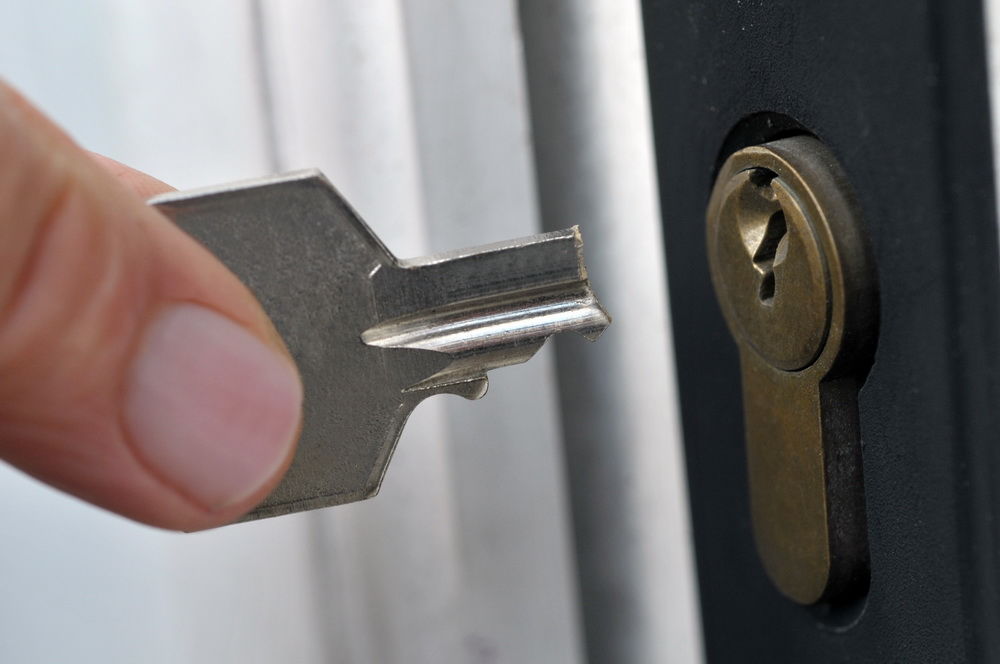
Door Locks Explained
Not sure what kind of lock is on your door or what the difference is between a deadbolt and a deadlatch? This guide covers common door locks in Warrnambool homes, their functions, and best uses, helping you understand your options before buying or upgrading.
Lock Types
The Main Types of Door Locks
There are more kinds of door lock than most people realise, and the names get thrown around like everyone already knows them. Here are the ones you are most likely to come across, along with what sets each apart. Get the type right, and everything else, from security to how easy the door is to live with, tends to fall into place.
The Basics of Door Locks
Before you compare brands or prices, it helps to understand what a lock is actually doing. Get these three things right, and the rest of your decision gets a lot easier.
Latch vs Deadlock
Before you compare brands or prices, it helps to understand what a lock is actually doing. Get these three things right, and the rest of your decision gets a lot easier.
Insurance Matters
A latch just holds the door shut and can be forced. A deadlock throws a solid bolt into the frame that cannot be pushed back without the key. That bolt is the part actually keeping an intruder out.
The Door Counts Too
Most home insurers expect key-operated deadlocks on all external doors before they will cover you for theft. It’s worth checking your policy wording before assuming you are covered.
How to Tell What You Already Have
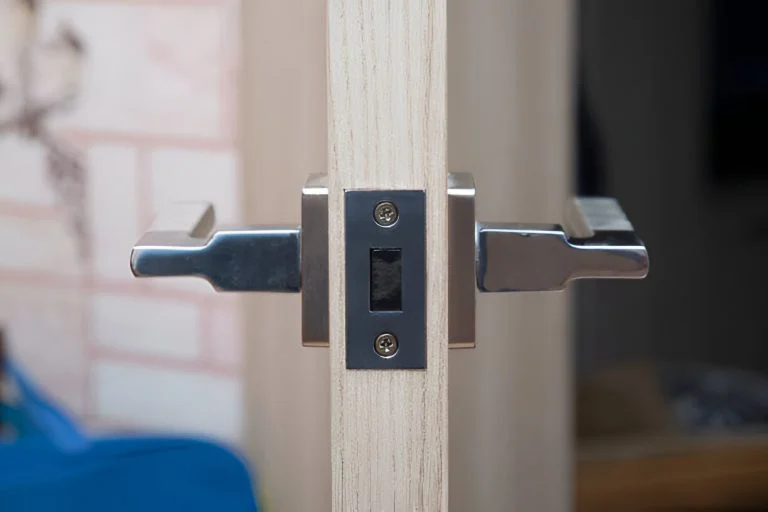
The easiest way to identify your lock is to watch how it behaves. If the door locks itself the moment it shuts, you most likely have a deadlatch, the spring-loaded type you see on so many Warrnambool front doors. If you have to turn a key or a thumbturn to throw the bolt, that is a deadbolt. A lock built into the edge of the door rather than bolted to the surface is a mortise.
Knowing which you have tells you a lot about your options. A worn cylinder can often be rekeyed or swapped without replacing the whole lock, and adding a deadbolt alongside an existing deadlatch is a simple upgrade. If you are not sure what you are looking at, send us a photo or give us a call, and we will identify it and talk you through what suits your door.
Get in Touch With Locksmith Warrnambool
Have a question or need a locksmith? Fill out the form and we’ll get back to you as soon as possible. For urgent lockouts, call us directly for the fastest response.